
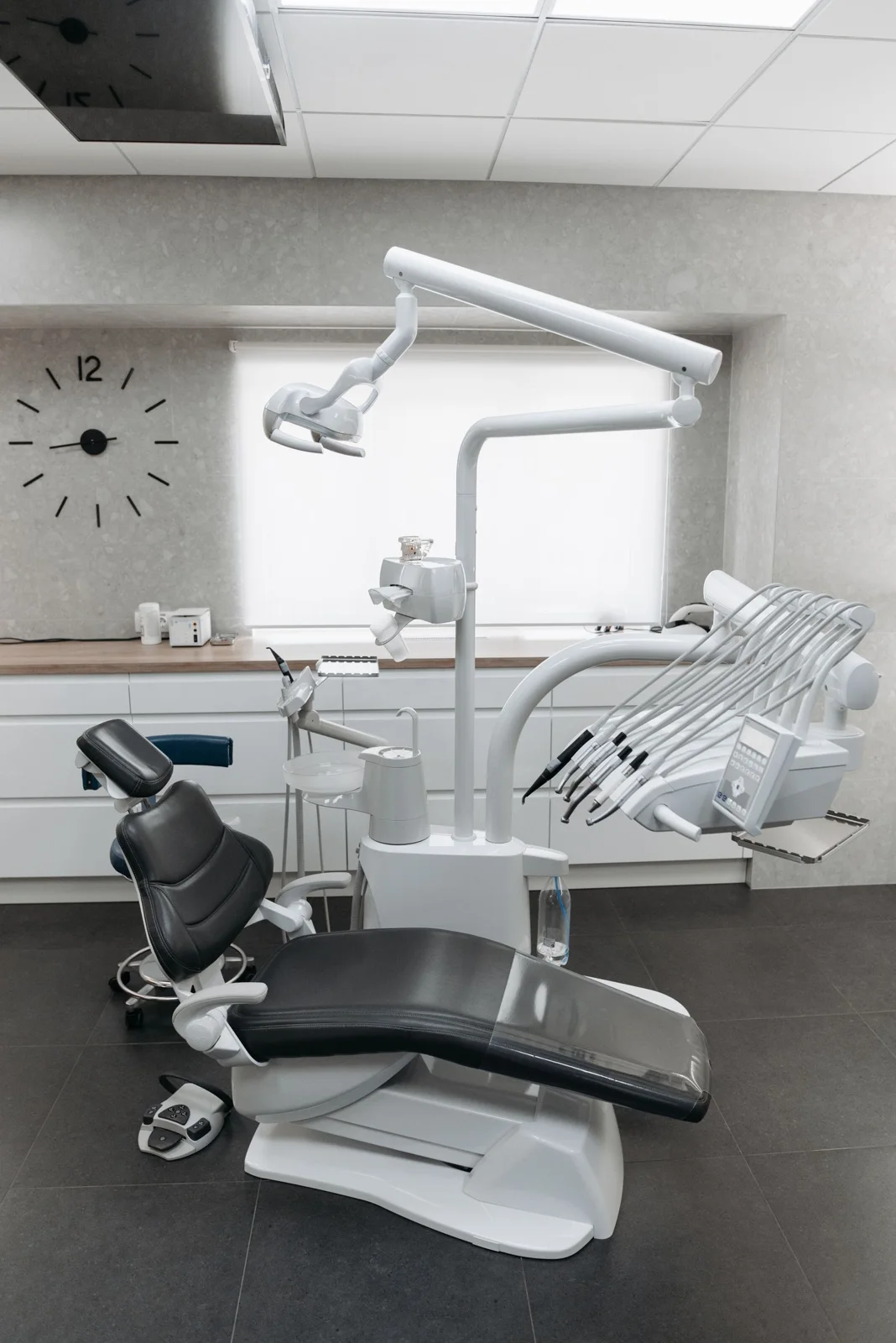
Stock photograph for illustration; not a participating clinic, practitioner, patient or treatment result. Photo: Pavel Danilyuk / Pexels.
Going into a dental implant consultation without a prepared list of maintenance questions is a missed opportunity. Knowing what to ask about ongoing care — review frequency, cleaning products, what warning signs matter — helps you understand the full commitment before treatment begins, not after. This guide gives you a practical question framework to bring to your Adelaide dental implant consultation.
Why maintenance questions belong at the first consultation
A dental implant replaces a missing tooth root and typically supports a crown, bridge or denture on top. Because the implant itself integrates with your jawbone and the restoration sits at the gum line, long-term success depends on consistent professional review and appropriate home care. Healthdirect Australia notes that more than one appointment is involved in the implant process, and your treating dentist will assess your gums and bone as part of that planning.
Most patients focus their early questions on cost and procedure time — both completely reasonable — but maintenance rarely gets the same attention until something goes wrong. Asking about upkeep at the start means you can factor both the time and any ongoing fees into your decision, compare it honestly against alternatives like a bridge or removable denture, and start with realistic expectations.
See our related guide on what dental implants are and what a consultation establishes for background before you go in.
Questions about your professional review plan
Your dentist or specialist designs a recall and review schedule that is specific to your clinical situation — there is no universal frequency that applies to everyone. Rather than assuming a standard answer, ask the following directly:
- How often will I need professional reviews after the implant is placed and the restoration is fitted? Some patients are seen more frequently in the first year while the implant integrates; ask whether that frequency changes over time.
- Who conducts ongoing reviews — the implant dentist, my regular dentist, or a periodontist? If the clinician placing your implant is not your usual dentist, establish clearly how ongoing care will be coordinated and who to contact if something feels wrong.
- What does a maintenance review involve? Ask whether it includes x-rays, probing around the implant, an assessment of the restoration’s fit, or all three. Understanding what happens at each visit helps you notice if something is being skipped.
- What signs or symptoms should prompt an earlier appointment? Ask for plain-language descriptions — things like unusual pressure, bleeding when cleaning, visible changes at the gum line, or any mobility of the crown. Healthdirect recommends asking health professionals to explain things in understandable language and to write down what you want to ask beforehand.
Questions about home-care products and technique
Home care for an implant-supported restoration is not identical to caring for natural teeth, and the right products depend on the type of restoration you have. Rather than relying on generic advice, ask your dentist:
- Which cleaning tools do you recommend for my specific restoration? The answer will differ for a single crown, a fixed bridge, or an implant-retained denture. Some restorations have small gaps between pontics and gum that require interdental brushes or floss threaders; others may be better maintained with a water flosser. Ask the clinic to demonstrate or provide written instructions.
- Are there products I should avoid? Some abrasive toothpastes or metal instruments can damage the surface of the restoration or the implant components.
- Does a removable component (such as an overdenture) need separate cleaning and storage instructions? If your restoration can be removed, ask how often and by what method.
Product-specific advice from the clinic
This is the section of a consultation that patients most commonly skip because it feels like a minor detail — but it has practical day-to-day impact. A useful scenario to illustrate this:
Hypothetical example: Imagine a patient who receives an implant-retained bridge covering three missing teeth. At their follow-up appointment, they report bleeding around one end. When asked, they reveal they had been using the same manual-brush technique as for their natural teeth, without any interdental cleaning under the bridge. The clinic had not specifically discussed interdental technique for the bridge span. This kind of gap in communication — not an adverse outcome — is exactly what direct questions can prevent.
Ask the clinic:
- Will you show me (not just describe) the cleaning technique for my restoration?
- Is there a written care summary I can take home?
- If I have a question about a product between appointments, who do I contact?
Questions about costs and ongoing records
Maintenance has financial dimensions that belong in an upfront conversation. Healthdirect Australia recommends asking your dental professional to explain the whole quotation. For ongoing care, ask:
- Are maintenance reviews included in any treatment package, or are they billed separately?
- Will ongoing x-rays be recommended, and how will they be charged?
- What is the process if the crown or restoration needs adjustment or replacement over time? A crown supported by a natural tooth and one supported by an implant are different restoration categories with potentially different replacement considerations — the Australian Dental Association notes that restorations may require further treatment.
- Will you keep detailed records of my implant components? Knowing the brand and specifications of the implant placed can matter if you change practitioners or need work done years later. The TGA encourages patients to ask about expected costs and further information related to their implant.
See our guide on dental implant cost and written quote questions for a fuller set of financial questions to bring to your consultation.
Checking your practitioner’s registration
Before committing to a treatment plan, it is worth verifying that the clinician conducting your assessment is currently registered. Ahpra maintains a public register of dental practitioners and specialists that you can search by name. Registration details are searchable by the individual’s name, not simply a business or clinic name.
Preparing your question list
A short checklist to bring to your appointment:
- How often are professional reviews scheduled, and does frequency change?
- Who manages my ongoing care if the implant dentist is not my regular dentist?
- What specific cleaning tools and techniques apply to my restoration type?
- Are there products to avoid?
- What symptoms should prompt an urgent contact?
- Are reviews included in the quote, or billed separately?
- Will component records be kept and provided to me?
For further background, see our guides on dental implant components explained for a consultation and single tooth implant consultation preparation.
If you are ready to request a consultation enquiry, our referral pages for Single Tooth Implant Enquiries, Multiple Tooth Implant Enquiries and Full Arch Implant Enquiries can help connect you with Adelaide clinicians.
Further reading
- Healthdirect Australia — Dental implant
- Healthdirect Australia — Questions to ask your doctor
- TGA — Five questions to ask your health professional before you get a medical implant
- Ahpra — Registers of Practitioners
- Australian Dental Association — Crowns, bridges and veneers
Sources and further reading
- healthdirect Australia — dental implant
- healthdirect Australia — questions to ask your doctor
- Australian Dental Association — crowns bridges and veneers
- Therapeutic Goods Administration — five questions ask your health professional you get medical implant
- Ahpra practitioner information — Professions and Divisions.aspx
Source links provide background, not an endorsement or clinical review of this page. Read our editorial approach.